
- You are here:
- Home »
- Blog »
- Boston Dog Trainer »
- The First 3 Weeks: Building Routine, Trust, and Confidence
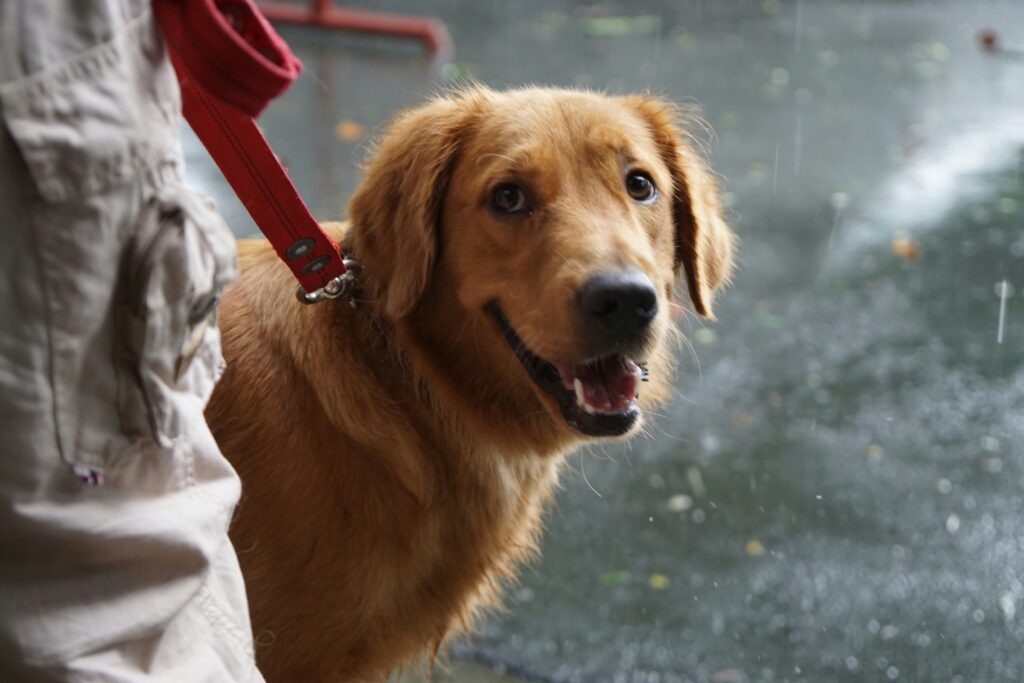
The First 3 Weeks: Building Routine, Trust, and Confidence
The First 3 Weeks: Building Routine, Trust, and Confidence
Why the First 3 Weeks Are a Turning Point
After the initial decompression period, your rescue dog enters a new phase of adjustment. According to the 3-3-3 rule for dogs, the first three weeks are when dogs begin to understand their environment, form expectations, and test boundaries.
This stage often surprises adopters. Your dog may suddenly seem more energetic, curious, or even challenging — but these changes are signs of growing comfort, not problems.
What Changes During the First 3 Weeks
As stress hormones decrease and familiarity increases, you may notice:
-
More movement and play
-
Increased confidence
-
Emerging personality traits
-
Boundary testing
These adopted dog behavior changes are normal and healthy.
Your dog is learning:
-
What happens next
-
How routines work
-
What behavior earns positive outcomes
This is the foundation of long-term trust.
Why Routine Is So Important Now
A predictable rescue dog routine provides emotional safety.
Consistent routines help:
-
Reduce anxiety
-
Improve focus
-
Encourage confidence
-
Prevent behavioral regression
Key routines to establish:
-
Feeding times
-
Potty schedules
-
Walks
-
Rest periods
The more predictable life feels, the more relaxed your dog becomes.

Building Trust Through Consistency
Building trust with a rescue dog doesn’t happen through force or speed — it happens through repetition.
Trust grows when:
-
Rules stay the same
-
Responses are calm
-
Expectations are clear
If rules change daily, dogs become confused and insecure.
Understanding Boundary Testing
During this phase, some dogs begin testing limits:
-
Pulling on leash
-
Ignoring cues
-
Chewing or counter-surfing
This isn’t defiance. It’s learning.
Boundary testing shows your dog feels safe enough to explore what’s allowed.
Respond with:
-
Calm redirection
-
Clear boundaries
-
Positive reinforcement
Avoid harsh corrections — they undermine trust.
Training During the First 3 Weeks
Training now should focus on:
-
Relationship building
-
Basic cues
-
Confidence-building exercises
Keep sessions:
-
Short
-
Positive
-
Predictable
This supports rescue dog confidence without overwhelming your dog.

Socialization: Slow and Thoughtful
This is not the time for dog parks or crowded environments.
Safe socialization includes:
-
Calm one-on-one interactions
-
Exposure at a distance
-
Positive, low-pressure experiences
Your dog is still learning how to feel safe — quality matters more than quantity.
Emotional Growth Takes Time
Some days will feel like progress. Others may feel like setbacks.
This is normal.
Dogs do not adjust in straight lines. Stress, environment, and experiences all influence behavior.
Patience is your most powerful tool.
Signs Your Dog Is Adjusting Well
Positive signs during this phase include:
-
Relaxed posture
-
Improved sleep
-
Increased play
-
Willingness to engage
Even small improvements are meaningful.
Common Mistakes to Avoid
During the first 3 weeks, avoid:
-
Rushing training goals
-
Introducing too many changes
-
Inconsistent rules
-
Over-socialization
Slow progress builds lasting confidence.
Final Thoughts: Trust Grows in Weeks, Not Days
The first three weeks are about learning how to live together.
When you provide structure without pressure and patience without expectation, your dog begins to trust — and trust changes everything.
This stage lays the groundwork for the final phase of the 3-3-3 rule dogs journey.