
- You are here:
- Home »
- Blog »
- Boston Dog Trainer »
- Managing Jealousy and Attention Changes
Managing Jealousy and Attention Changes
Managing Jealousy and Attention Changes
Dogs don’t feel jealousy the way humans do, but they do experience changes in routine, attention, and emotional security. When a baby arrives, dogs often notice:
-
Less one-on-one time
-
New smells and sounds
-
Changes in schedules
-
Increased household stress
These changes can trigger anxiety, attention-seeking behaviors, or withdrawal.
Understanding this emotional shift allows you to respond with empathy instead of frustration.
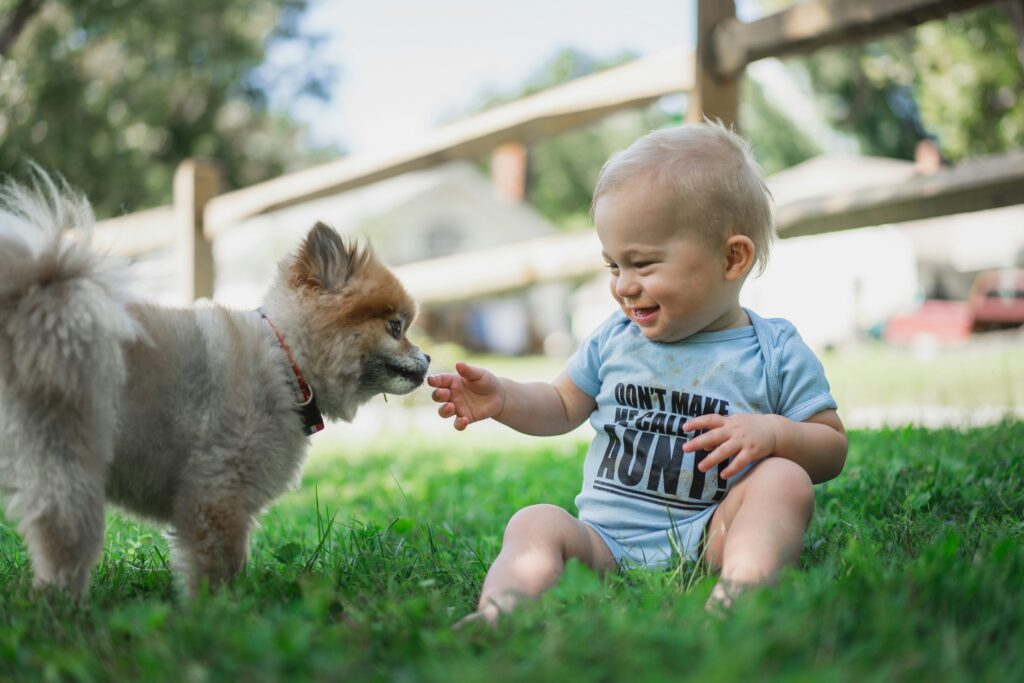
Common Signs of Jealousy or Stress in Dogs
Every dog reacts differently, but common behaviors include:
-
Following you constantly
-
Pushing between you and the baby
-
Barking for attention
-
Regressing in training
-
Chewing or destructive behavior
-
Withdrawal or avoidance
These behaviors are communication—not misbehavior.
Why Punishment Makes Things Worse
Correcting or scolding a jealous dog often backfires.
Punishment can:
-
Increase anxiety
-
Create negative associations with the baby
-
Suppress warning signals
-
Damage trust
Instead, focus on teaching your dog how to succeed in this new environment.
1. Keep Your Dog’s Routine as Consistent as Possible
Routine equals security for dogs.
Try to maintain:
-
Regular walk times
-
Feeding schedules
-
Training cues
-
Sleep locations
Even small consistencies help your dog feel grounded during big life changes.
2. Pair Baby Time with Positive Dog Experiences
Teach your dog that the baby predicts good things.
Examples:
-
Give treats while feeding the baby
-
Offer a chew during tummy time
-
Practice calm commands near the baby
This creates positive emotional associations rather than competition.

3. Schedule Intentional One-on-One Time
Quality matters more than quantity.
Even 10 minutes a day of:
-
Training games
-
Sniff walks
-
Cuddling
-
Playtime
Can dramatically reduce attention-seeking behaviors.
4. Encourage Independence (Without Neglect)
Dogs who rely too heavily on constant attention may struggle more after a baby arrives.
Build independence by:
-
Teaching place or mat training
-
Encouraging solo enrichment toys
-
Rewarding calm alone time
This helps your dog self-regulate when attention shifts.
5. Avoid Reinforcing Jealous Behavior
If your dog nudges, barks, or interrupts baby care, avoid immediately responding.
Instead:
-
Wait for calm behavior
-
Reward patience
-
Redirect to a designated spot
This teaches your dog what does work.
6. Involve Your Dog in Baby Routines
Inclusion reduces competition.
Examples:
-
Dog lies on a mat during feeding
-
Dog joins stroller walks
-
Dog gets a treat after diaper changes
Your dog learns that baby activities don’t mean exclusion.

7. Watch for Subtle Stress Signals
Not all jealousy looks dramatic.
Subtle signs include:
-
Lip licking
-
Turning away
-
Slow movements
-
Avoidance
Respect these signals and give your dog space when needed.
8. Set Clear, Kind Boundaries
Dogs benefit from clear expectations.
Boundaries might include:
-
No jumping on baby gear
-
Staying off baby blankets
-
Waiting calmly for attention
Consistency prevents confusion and frustration.
9. When to Seek Professional Help
If jealousy escalates into:
-
Growling
-
Snapping
-
Resource guarding
-
Extreme anxiety
Reach out to a certified trainer or veterinary behaviorist immediately. Early support prevents serious issues.
What a Healthy Adjustment Looks Like
A well-adjusted dog may:
-
Rest quietly nearby
-
Observe without fixation
-
Respond to cues
-
Choose distance when needed
This is success—not constant interaction.
Building Emotional Security for Everyone
Managing jealousy isn’t about giving your dog more attention—it’s about giving them the right attention. With consistency, inclusion, and positive reinforcement, your dog can adapt confidently to life with a baby.
This foundation supports a peaceful household and a safe environment for everyone.