
- You are here:
- Home »
- Blog »
- Boston Dog Trainer »
- 5 Essential Skills Every Puppy Should Learn
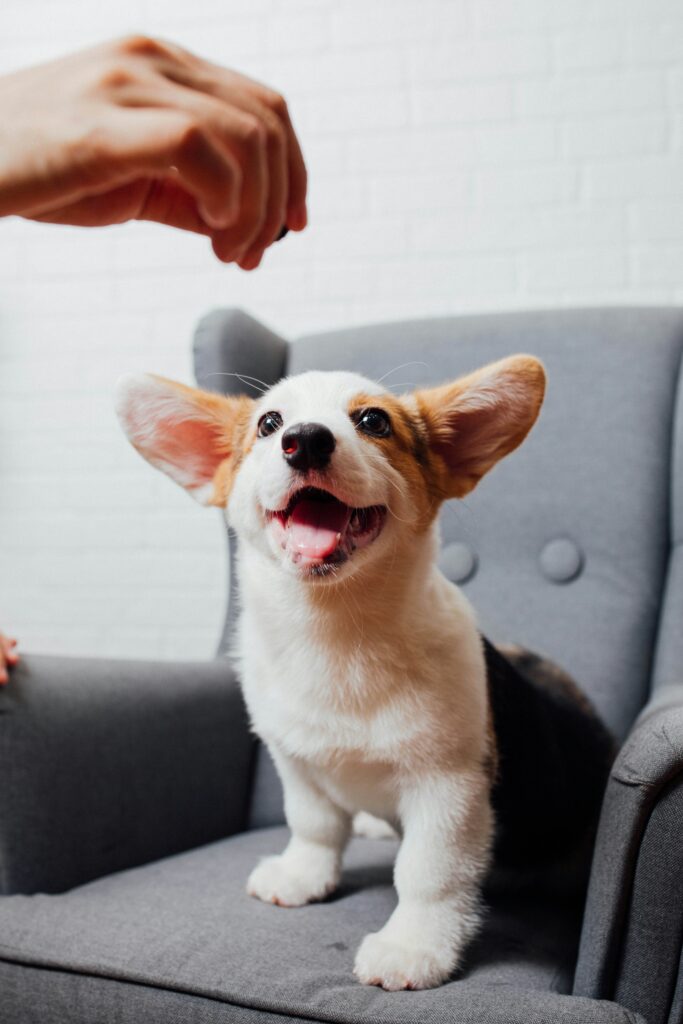
5 Essential Skills Every Puppy Should Learn
5 Essential Skills Every Puppy Should Learn
Bringing home a new puppy is one of life’s most exciting milestones. Those first few months are filled with playful moments, new discoveries, and plenty of opportunities to shape the kind of dog your puppy will become.
Many new owners focus on teaching tricks like “shake” or “roll over.” While those can certainly be fun, they’re not the skills that will make everyday life easier.
The most important lessons are the ones that teach your puppy how to live successfully in your home and confidently navigate the world around them.
These foundational skills become the building blocks for everything your puppy learns later. They improve communication, prevent unwanted behaviors, and help create a calmer, more enjoyable relationship between you and your dog.
Let’s look at five of the most important skills every puppy should begin learning early.

1. Responding to Their Name
Your puppy’s name is much more than a way to get their attention.
It’s the beginning of communication.
When your puppy consistently responds to their name, you’re creating a habit of checking in with you before making decisions.
This skill becomes incredibly valuable throughout your dog’s life.
Whether you’re:
- Calling them inside
- Redirecting their attention
- Preventing them from chasing something
- Beginning a training exercise
A reliable name response helps your puppy focus on you despite distractions.
How to Teach It
Keep training simple.
Say your puppy’s name in a cheerful voice.
The moment they look at you:
- Praise enthusiastically.
- Offer a small treat.
- Repeat throughout the day.
Avoid using your puppy’s name when they’re about to experience something unpleasant, such as a correction or nail trim.
Instead, help them associate their name with positive experiences.
2. Coming When Called
A reliable recall is one of the most important skills your dog will ever learn.
While it can certainly make everyday life more convenient, it can also become a lifesaving behavior.
Imagine your puppy:
- Slipping out the front door.
- Running toward a busy road.
- Escaping the backyard.
A strong recall can prevent dangerous situations.
Start Small
Begin indoors with very few distractions.
Crouch down.
Call your puppy enthusiastically.
When they come to you:
- Celebrate.
- Reward generously.
- Make it fun.
Your puppy should believe that coming to you is one of the best choices they can make.
As they improve, gradually practice in more distracting environments.

3. Walking Politely on a Leash
Many owners don’t think about leash manners until their puppy is older.
Unfortunately, by then, pulling has often become a habit.
Teaching loose-leash walking early helps puppies understand that staying connected to you makes walks more enjoyable.
Instead of allowing your puppy to drag you down the sidewalk, begin teaching that walking together is rewarding.
Keep Expectations Age-Appropriate
Young puppies have short attention spans.
Your goal isn’t perfection.
Instead, reward:
- Walking beside you.
- Checking in voluntarily.
- Keeping the leash loose.
These small moments build excellent habits over time.
4. Learning to Settle
One of the most overlooked puppy skills is learning how to relax.
Many owners spend plenty of time exercising their puppies but very little time teaching them how to calm themselves.
Excitement is easy.
Relaxation is a learned skill.
A puppy who knows how to settle is often easier to live with because they learn that not every moment needs to be filled with activity.
Encourage Calm Moments
Reward your puppy when they choose to:
- Lie quietly.
- Rest on their bed.
- Relax beside you.
- Chew an appropriate toy calmly.
These moments deserve just as much praise as active training sessions.
Teaching an “off switch” helps prevent overstimulation and creates balance in your puppy’s daily routine.
5. Handling and Cooperative Care
Veterinary visits, grooming appointments, and everyday care become much easier when puppies learn to enjoy gentle handling.
Many owners accidentally wait until grooming is necessary before introducing these experiences.
Instead, begin early.
Practice touching:
- Ears
- Paws
- Tail
- Mouth
- Collar
- Legs
Pair gentle handling with praise and treats.
These short sessions help your puppy become comfortable with being examined and cared for.
This simple investment can make veterinary visits and grooming appointments far less stressful throughout your dog’s life.
Why These Skills Matter More Than Tricks
It’s fun to teach puppies entertaining tricks.
But the five skills above impact everyday life.
A puppy who:
- Comes when called
- Walks politely
- Responds to their name
- Settles calmly
- Accepts handling
is often easier to live with than a puppy who knows a dozen tricks but struggles with basic manners.
These foundational skills create opportunities for success in nearly every environment.
Keep Training Short and Positive
Puppies learn best through frequent, enjoyable practice.
Aim for several short sessions throughout the day rather than one long lesson.
Even five minutes at a time can be incredibly productive.
End each session while your puppy is still excited to continue.
That enthusiasm carries into future training sessions.
Consistency Is More Important Than Perfection
Every family member should strive to use similar expectations and routines.
If one person allows jumping while another discourages it, your puppy receives mixed messages.
Consistency helps puppies understand exactly what behaviors are expected.
Clear expectations build confidence.
Celebrate Small Wins
Progress isn’t always dramatic.
Sometimes success looks like:
- Looking at you when called.
- Walking politely for ten steps.
- Relaxing for five minutes.
- Sitting instead of jumping.
These moments matter.
Each small success builds the habits that eventually become lifelong behaviors.
Training isn’t about achieving perfection overnight.
It’s about making steady progress through consistent practice.
The Long-Term Benefits of Early Training
Teaching these skills during puppyhood creates a strong foundation for future learning.
As your puppy grows, you’ll likely find that advanced training becomes easier because they’ve already learned how to:
- Focus.
- Communicate.
- Learn.
- Trust you.
- Work as a team.
That’s why early training is so valuable.
You’re not simply teaching behaviors.
You’re teaching your puppy how to learn.
Final Thoughts
The first few months with your puppy are about much more than surviving teething and house training.
They’re an opportunity to establish habits that will shape your dog’s behavior for years to come.
By focusing on these five essential skills, you’re giving your puppy the tools they need to become a confident, well-mannered companion.
Remember, every interaction is a learning opportunity.
With patience, consistency, and positive reinforcement, those early lessons will become the foundation for a lifetime of success.