
- You are here:
- Home »
- Blog »
- Boston Dog Trainer »
- Understanding Reactive Dogs: 7 Common Behavior Patterns
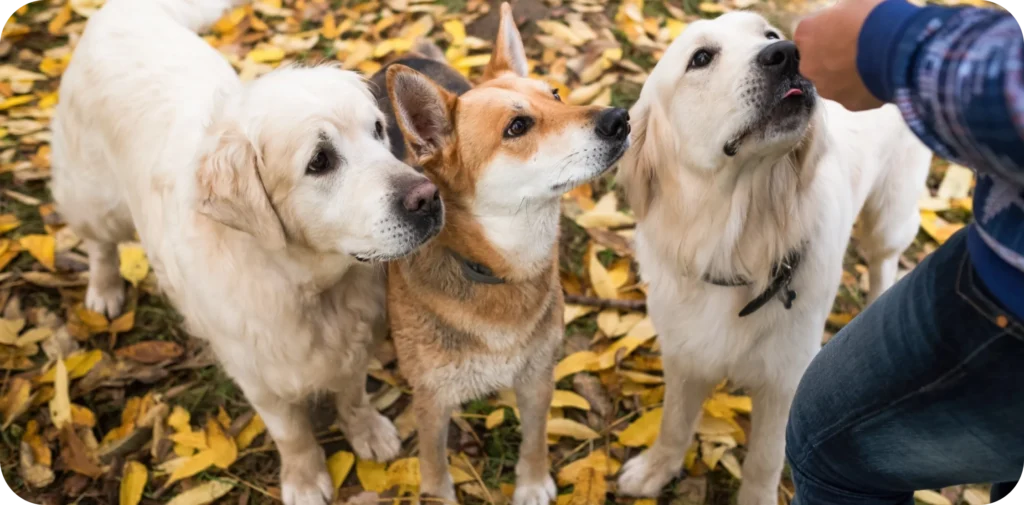
Understanding Reactive Dogs: 7 Common Behavior Patterns
Understanding Reactive Dogs: 7 Common Behavior Patterns
When Your Dog’s Behavior Seems Unpredictable
Your dog may be perfectly relaxed at home but bark intensely at another dog during a walk. They might ignore most neighborhood noises yet become terrified during thunderstorms.
These behaviors can seem unrelated, but they may all involve dog reactivity.
Reactive dogs respond intensely to particular situations, animals, people, or environmental stimuli.
For Boston dog owners, identifying the specific pattern is important. A dog frightened by construction noise requires a different approach from one who becomes frustrated when prevented from greeting another dog.
Understanding the seven common types of dog reactivity can help you recognize what your dog is communicating and develop more appropriate training strategies.
Key Takeaways
- Reactivity describes heightened responses to triggers, not one specific personality type.
- Dogs may react because of fear, frustration, excitement, or defensive motivations.
- Seven useful categories help owners identify patterns.
- Some dogs have one trigger; others react to several.
- Management and controlled training are important components of behavior improvement.
- Safety concerns and severe anxiety require individualized professional support.
Understanding Reactive Dog Behavior
Reactive behavior may include barking, lunging, growling, whining, freezing, or attempting to escape.
Some dogs react only when restrained. Others respond to noises, visitors, or movement regardless of location.
Reactivity is not automatically aggression, although the two can overlap.
A dog barking from fear may be trying to create distance. A frustrated dog may be trying to approach.
Understanding the motivation is important before choosing a training method.
Seven Behavior Patterns Boston Owners Should Recognize
1. Leash Reactivity
Leash reactivity occurs when a dog responds intensely while restrained.
Common triggers include unfamiliar dogs, people, bicycles, and joggers.
Some dogs become frustrated because they cannot approach. Others feel trapped because they cannot retreat.
A dog may struggle on a crowded Boston sidewalk but behave differently in a more spacious environment.
What helps: Increase distance, avoid forced greetings, and gradually practice calm attention around manageable triggers.
2. Barrier Reactivity
Dogs may bark or charge when something appears beyond a fence, window, gate, or door.
This is common when dogs repeatedly watch people or animals passing the property.
The physical barrier can contribute to frustration or defensive behavior.
What helps: Reduce visual access, limit opportunities to rehearse the reaction, and teach alternative responses.
3. Visitor Reactivity
Some dogs react intensely when guests enter their home.
Behavior may range from barking and retreating to stiffening, growling, or lunging.
A dog who hides behind furniture may be frightened, while a dog rushing toward the entrance may have a different motivation.
What helps: Establish safe visitor routines and avoid forcing contact.
4. Sound Sensitivity
Thunderstorms, fireworks, construction equipment, and traffic can produce intense fear responses.
Dogs may tremble, hide, pant, pace, bark, or attempt to escape.
Boston’s busy streets and seasonal weather can introduce many unfamiliar sounds.
What helps: Create a safe resting area and use carefully controlled sound training when appropriate. Severe noise phobias may require veterinary treatment.
5. Motion Reactivity
Some dogs become intensely focused on moving objects.
Triggers may include cyclists, runners, vehicles, squirrels, or other animals.
Chasing behavior can be dangerous, particularly around roads.
What helps: Maintain safe restraint, practice attention exercises, and provide appropriate outlets for physical and mental activity.
6. Resource Guarding
Resource guarding involves protective behavior around valued items or spaces.
A dog may freeze when someone approaches a food bowl, growl over a toy, or snap when another animal approaches a resting area.
What helps: Avoid forcibly taking resources or punishing warning signals. Seek qualified professional help when guarding involves aggression.
7. Social Reactivity
Some dogs display heightened reactions toward other dogs or people in multiple environments.
Triggers may involve specific appearances, proximity, movement, or unfamiliar social interactions.
What helps: Identify patterns and use gradual, individualized behavior modification.
How Fear and Frustration Look Different
A fearful dog may lean away, tuck its tail, freeze, or attempt to retreat.
A frustrated dog may pull forward, whine, bark, or repeatedly attempt to reach something.
However, body language isn’t always straightforward. Dogs can experience several emotions simultaneously.
A professional assessment can help distinguish these patterns.
Why Boston Environments Can Be Challenging
Walking near Boston Common or through a busy neighborhood may expose a dog to pedestrians, bicycles, traffic, and unfamiliar animals.
Several distractions occurring close together can make training more difficult.
Choose quieter routes and times when needed, and allow your dog sufficient distance from challenging situations.
The goal is not to avoid every trigger forever. It’s to make exposure manageable enough for learning.
The Role of Trigger Stacking
Trigger stacking describes how multiple stressful experiences can accumulate.
A dog who experienced a difficult veterinary visit, loud construction, and a crowded walk may have less tolerance for another distraction.
Recognizing these patterns can help explain why reactions vary from day to day.
Practical Training Strategies
Desensitization
Begin exposure at a manageable intensity and increase difficulty gradually.
Counterconditioning
Pair the appearance of a trigger with something the dog enjoys, such as a valued treat, when the dog is comfortable enough to participate.
Attention and Direction Changes
Teach skills such as responding to a name and following a practiced U-turn.
Environmental Management
Use distance, barriers, and quieter routines to reduce repeated overwhelming experiences.
Training should not depend on forcing the dog to endure frightening encounters.
Tracking Your Dog’s Progress
A behavior journal can help identify patterns.
Record the type of trigger, approximate distance, body language, intensity of reaction, and recovery.
Improvement may involve shorter reactions, faster recovery, or greater ability to disengage—not simply the absence of barking.
When to Seek Professional Guidance
Dogs with bite histories, severe fear, or significant resource guarding require careful assessment.
Sudden behavioral changes should be discussed with a veterinarian.
A qualified trainer or veterinary behavior professional can help establish appropriate management and training.
Boston Reactive Dog Training Support
Off Leash K9 Training Boston helps owners work toward better obedience and more manageable behavior.
Understanding your dog’s specific triggers is an important foundation for choosing the right approach.
Phone: 617-449-7251
Email: [email protected]
Frequently Asked Questions
Are reactive dogs necessarily aggressive?
No. Fear, frustration, and excitement can produce reactive behavior, although aggression may also be involved.
Can a dog be reactive to both people and sounds?
Yes. Dogs can have several categories of triggers.
Why does my dog bark at bicycles?
Movement, fear, excitement, or chasing tendencies may contribute.
Can resource guarding be corrected by taking food away?
Forcibly taking food can worsen guarding and create safety risks. Seek appropriate behavior guidance.
What is the first step in reactive dog training?
Identify the triggers, assess safety, and reduce exposure to situations that overwhelm the dog.