
- You are here:
- Home »
- Blog »
- Boston Dog Trainer »
- Understanding Your Dog’s Calming Signals in Boston, MA
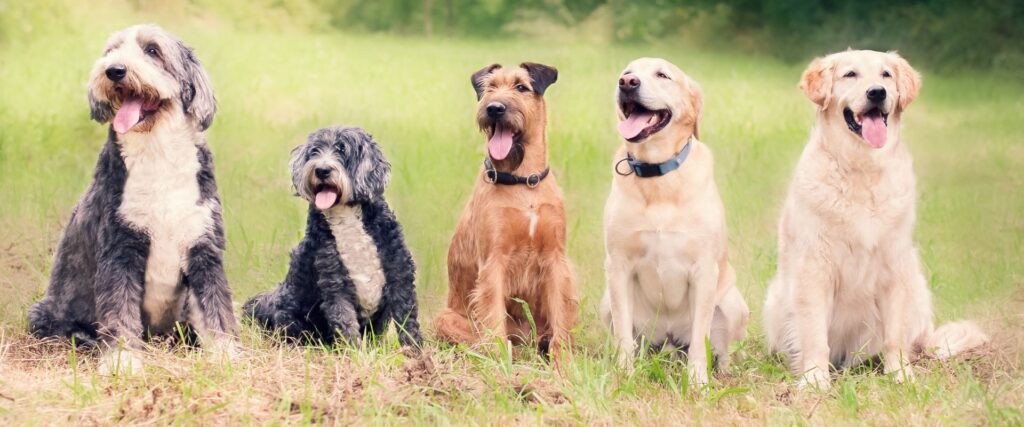
Understanding Your Dog’s Calming Signals in Boston, MA
Understanding Your Dog’s Calming Signals in Boston, MA

Introduction
Living in Boston means your dog may encounter crowded sidewalks, unfamiliar people, other dogs, traffic, and plenty of unexpected distractions.
While some dogs navigate these environments comfortably, others communicate uncertainty through subtle changes in body language.
A quick yawn, sudden head turn, or brief pause might seem insignificant, but these behaviors can provide useful information about your dog’s experience.
Learning to recognize dog calming signals can help Boston owners improve communication, manage stressful situations, and make obedience training more effective.
What Are Dog Calming Signals?
Understanding Canine Body Language
Dogs communicate through combinations of facial expressions, movement, posture, and vocalization.
Calming signals are behaviors that may occur when dogs experience uncertainty, social pressure, or discomfort.
Some may serve a social communication function, while others reflect an emotional response.
Common behaviors include:
- Turning away from direct eye contact
- Licking the lips or nose
- Yawning outside typical resting situations
- Sniffing the ground
- Slowing movement
- Changing body position
- Freezing or stiffening
However, a behavior shouldn’t be assigned one meaning without considering its context.
A dog may sniff because an interesting scent is present, not because another dog is approaching.
Why Dogs Display Calming Behaviors
Dogs use body language to navigate social interactions.
Some behaviors may communicate non-threatening intentions or reduce the intensity of an encounter.
Others may appear when a dog is uncertain about what will happen next.
Imagine your dog standing near a crowded pedestrian crossing. As several people approach, your dog begins looking away, licking its lips, and leaning backward.
Together, those behaviors may suggest the dog is uncomfortable.
Recognizing the pattern gives you an opportunity to move to a quieter area.
Recognizing Common Dog Calming Signals
Facial Signals
Dogs may communicate discomfort through small facial movements.
Lip licking: Repeated tongue flicks can occur during stressful interactions, although food anticipation and physical discomfort are other possible explanations.
Yawning: A yawn may be ordinary tiredness or part of a broader pattern of uncertainty.
Looking away: Turning the eyes or head away may reduce direct social pressure.
Whale eye: Visible eye whites accompanied by tension may suggest discomfort.
Rather than concentrating on one expression, observe the dog’s overall posture.
Body Position and Movement
Movement can reveal changes in a dog’s response to its environment.
A dog may turn sideways, slow down, lower its body, or attempt to increase distance.
A sudden freeze or rigid posture can indicate a situation that requires careful attention.
When these changes occur, avoid pushing the dog toward an unfamiliar person or animal.
Displacement Behaviors
Dogs sometimes display behaviors such as scratching, sniffing, or shaking off during challenging situations.
For example, a dog walking near Boston Common may suddenly stop to sniff when another dog approaches.
The sniffing itself does not prove the dog is stressed.
Instead, observe whether the dog also stiffens, avoids eye contact, or attempts to retreat.
These additional clues help create a more complete picture.
Using Calming Signals During Boston Dog Training
Understanding Distractions in City Environments
Boston offers numerous opportunities to practice obedience in real-world settings.
However, urban environments can present challenges for dogs learning new skills.
Traffic noise, pedestrians, other animals, and changing surroundings can affect concentration.
A dog that responds reliably at home may have difficulty following commands near a busy street.
This does not automatically indicate stubbornness.
The dog may need more practice at a lower distraction level.
Identifying Signs of Training Stress
Before beginning a training session, observe how your dog behaves when relaxed.
During training, watch for changes such as repeated yawning, lip licking, freezing, or attempts to disengage.
Ask yourself whether the exercise has become more difficult or whether the environment has changed.
If your dog repeatedly appears uncomfortable, reduce the difficulty or move farther from the distraction.
Making Training More Successful
Begin new exercises in quiet, familiar environments.
Gradually introduce additional distractions as your dog becomes more reliable.
Keep sessions manageable and recognize when your dog needs a break.
For dogs learning leash manners or recall, consistent practice in different environments can help strengthen obedience skills.
Common Challenges and Solutions
Mistaking Stress for Stubbornness
A dog that hesitates before following a command may be uncertain, distracted, physically uncomfortable, or unfamiliar with the exercise.
Evaluate the circumstances before deciding how to respond.
Allowing Unwanted Social Interactions
Some dogs are uncomfortable when strangers approach directly or attempt to pet them.
If your dog turns away, retreats, or stiffens, give them additional space.
Avoid assuming that every dog enjoys social greetings.
Missing Early Warning Signs
Changes in posture and facial expression may appear before growling or other defensive behavior, although not every dog follows the same sequence.
Recognizing discomfort early can help owners make safer decisions.
Improving Communication Through Daily Observation
Spend a few minutes each day observing your dog’s behavior.
Notice their posture when relaxed at home, when exploring familiar streets, and when encountering unfamiliar distractions.
Pay attention to changes in movement, facial expression, and willingness to interact.
These observations can help you recognize situations that are comfortable for your dog and those that require more careful management.
Over time, understanding body language can become a valuable part of your regular training routine.
Professional Dog Training in Boston, MA
Off Leash K9 Training Boston helps dog owners develop stronger obedience skills and improve communication with their dogs.
Whether you’re working on leash manners, everyday distractions, recall, or challenging behaviors, professional guidance can help establish a structured approach.
Learning to understand canine body language is an important step toward safer, more productive training.
Contact Off Leash K9 Training Boston
Phone: 617-449-7251
Email: [email protected]
Frequently Asked Questions
What are the most recognizable dog calming signals?
Common examples include lip licking, yawning, looking away, sniffing, slowing down, and changing body posture.
Why does my dog yawn around unfamiliar people?
Yawning can occur during uncertainty or discomfort, but it can also indicate tiredness. Consider other behaviors and the surrounding situation.
Are calming signals common in city dogs?
Dogs in any environment may display these behaviors. Busy city environments simply create additional opportunities to observe responses to distractions.
What should I do if my dog appears uncomfortable during a walk?
Create more space from the distraction, avoid forcing interaction, and allow your dog an opportunity to settle.
Can dog training help with stressful urban environments?
Yes. Gradual exposure, structured obedience exercises, and individualized behavioral support can help dogs learn to navigate challenging environments more comfortably.